The 2025 Interior Design Trends That Are Here to Stay—And the Ones on Their Way Out

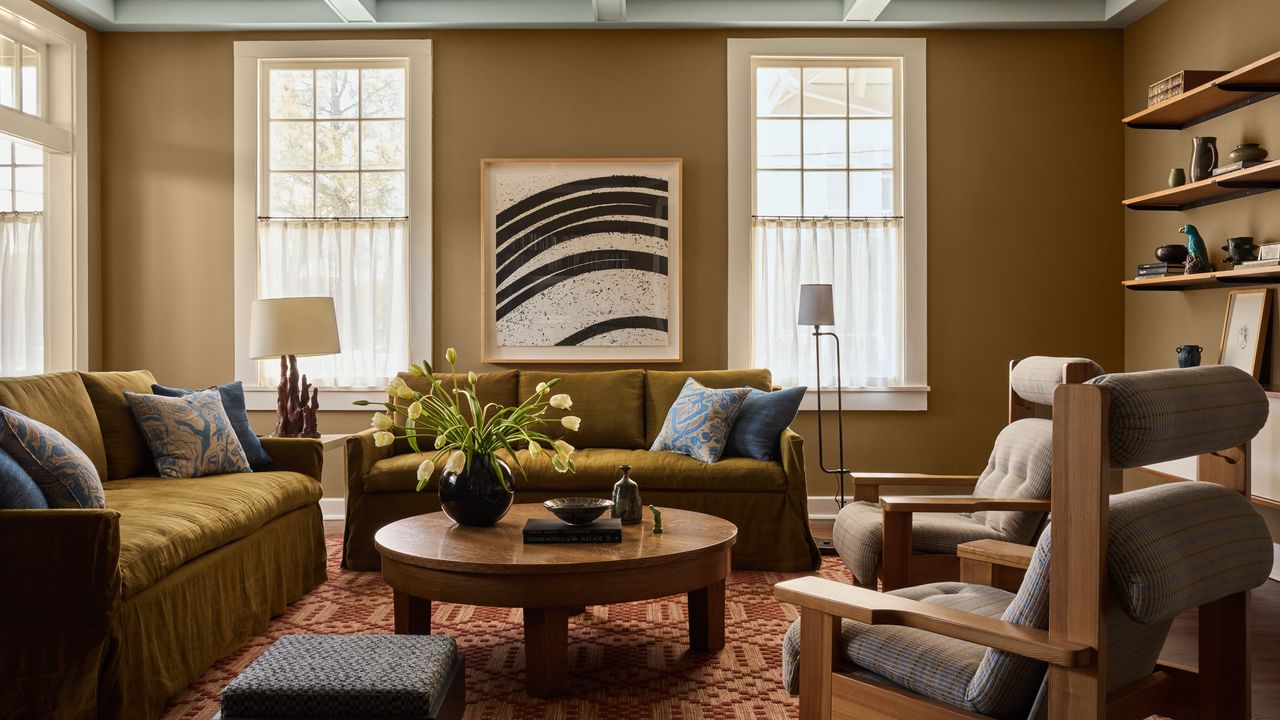
Biophilic design, though always relevant, has been especially prevalent this year. “We’re seeing a preference for natural materials like quartzite over quartz countertops,” says Channer, “and a greater focus on outdoor living spaces that flow seamlessly with our interiors.” And biophilic design goes beyond just use of natural materials and bringing greenery indoors—everything down to the minutiae of lighting can simulate a more natural environment. “We’re using circadian lighting systems like Lutron’s Ketra to adjust light quality throughout the day, aligning interiors with natural rhythms,” says Jessica Shaw, design director at Turett Collaborative. “Clients want their spaces to support their mental health and day-to-day routines. We’re being asked to create homes that restore.” Simulating natural light is one of many ways biophilic design promotes wellness.
Frequently asked questions
What was the biggest interior design trend of 2025?
Overwhelmingly, color—bolder, deeper colors, especially—was number one on designers’ 2025 trend list. “People want color and they want their homes to tell a story,” says O’Neil. “It turns out that people are discovering what interior designers have known all along: white and neutrals can easily become too sterile and tip into the boring category.” Color drenching had its big moment this year, and color also found its place in smaller ways—a small hallway nook accessorized with jewel tones, a piece of furniture reupholstered in a bolder hue.
Some honorable mentions that also made top interior designers’ trend lists: Japandi style, parquet flooring, material drenching, dark wood, travertine, boucle fabric, and curved furniture silhouettes.
Which interior design trends have lasted the longest?
Some trends are here to stay. Among them, traditional style will always sustain, says Bennett: “It’s timeless, it never goes away. And you can always blend it. That’s the beauty of it.” Regardless of design style, designers also agree that natural materials have a timeless quality. “Natural materials have the longest track record in design because they age in a way that adds value. Solid wood, stone, and bronze develop a patina that reads as quality rather than wear,” says Saab. “It’s not about looks, it’s about integrity,” adds Joyner, on why natural materials have persisted. “Good design ages well because it’s made well.” And then there are some things that will simply always remain in demand for interior design: “Plants never die, at least in trend,” says Alexis Readinger, founder at Preen Inc.
How do interior design trends develop?
Trends develop from all corners of the world, at micro and macro scales. “As our economy shifts, along with social awareness, I think we witness a shift in home design,” explains Jones. “I think we are experiencing a paring down in design, more edited and intentional.”